


(Die Abbildungen müssen nicht den tatsächlichen Produkten entsprechen)

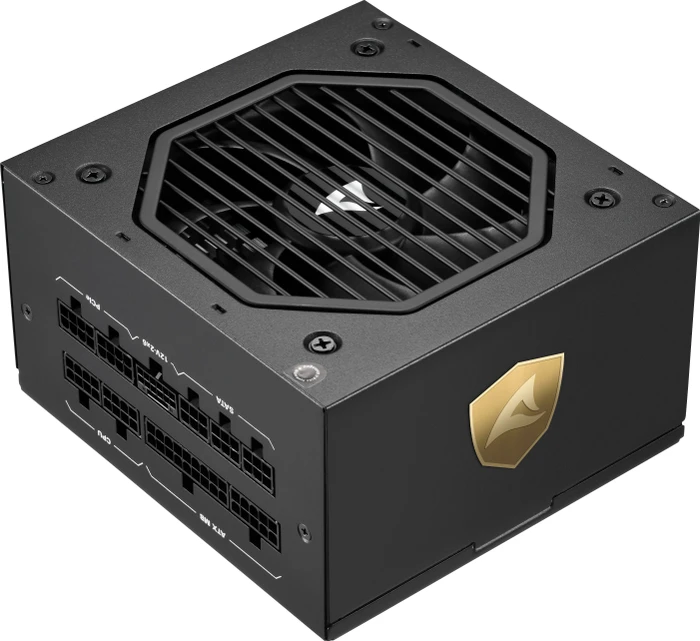
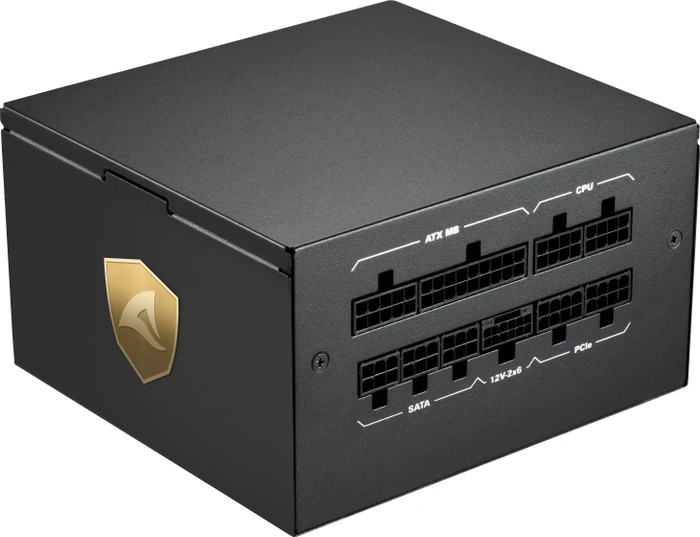
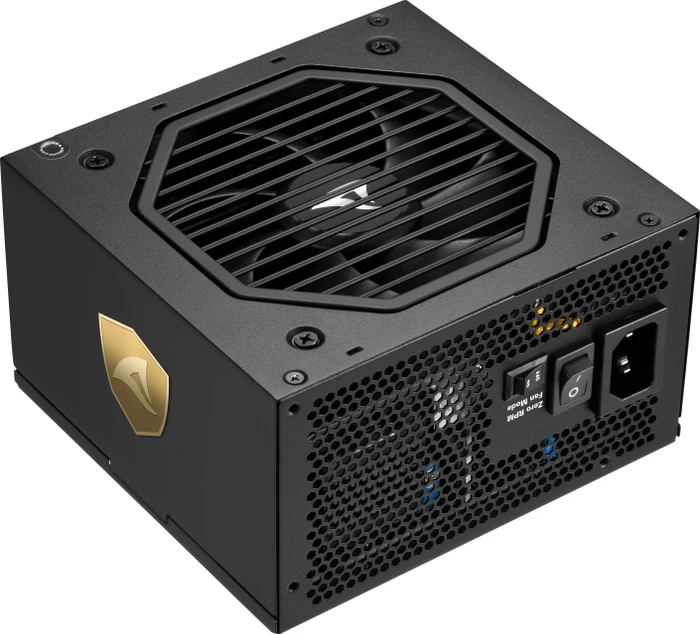
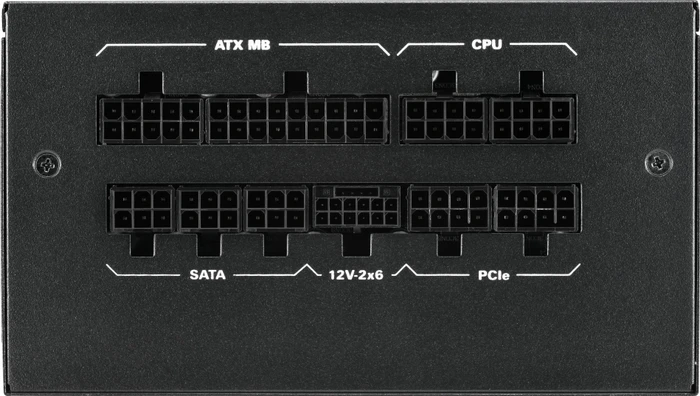
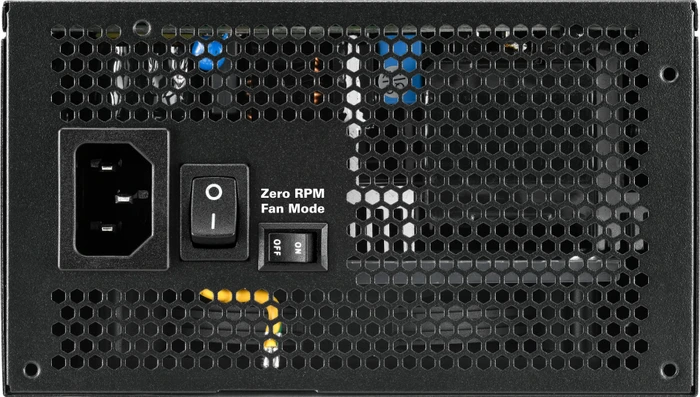
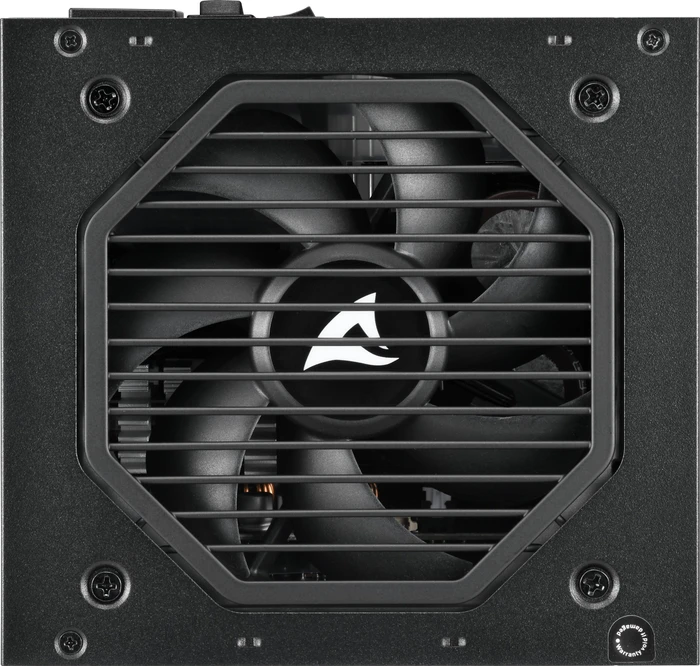


Sharkoon Rebel P20 850W, ATX 3.1
- Lüfter
- 120mm, semi-passiv
- Lautstärke
- 20.72dB(A) (laut Cybenetics Zertifikat, 115V), 20.67dB(A) (laut Cybenetics Zertifikat, 230V)
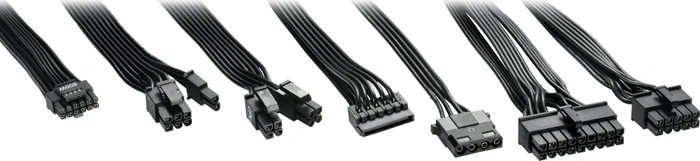
- Kabelmanagement
- vollmodular
- 12V-2x6
- 1x 16-Pin PCIe 5.1 12V-2x6 (12+4-Pin, nativ, via 12V-2x6 PSU-seitig), 12V-2x6 Gesamtleistung: 600W
- Anschlüsse
- 1x 20/24-Pin, 2x 4/8-Pin ATX12V, 4x 6/8-Pin PCIe, 11x SATA, 1x IDE
- Durchschnittliche Effizienz
- 88.58% (laut Cybenetics Zertifikat, 115V), 90.8% (laut Cybenetics Zertifikat, 230V)
- Zertifikate laut Hersteller
- ETA-Gold (laut Hersteller)
- Zertifikate laut Cybenetics
- ETA-Gold (115V, laut Cybenetics Zertifikat), ETA-Gold (230V, laut Cybenetics Zertifikat), LAMBDA-A (115V, laut Cybenetics Zertifikat), LAMBDA-A (230V, laut Cybenetics Zertifikat), 115V+230V Report (Lab ID: SK85002388)
- Abmessungen (BxHxT)
- 150x86x140mm
- Garantie
- 7 Jahre (Info)
- +3.3V
- 20A
- +5V
- 20A




Auf Lager
Kreditkarte, Lastschrift
GRATISVERSAND.
GRATISVERSAND.
Sharkoon Rebel P20 850W, Vollmodular, Cybenetics Gold
Preis vom:
(Preis kann jetzt höher sein!)
(Preis kann jetzt höher sein!)


9-15 Werktage
Kreditkarte, PayPal
GRATISVERSAND.
Lieferung nur innerhalb Deutschlands.
Ratenzahlung möglich.
GRATISVERSAND.
Lieferung nur innerhalb Deutschlands.
Ratenzahlung möglich.
Sharkoon Rebel P20 850 (null Watt) (850 W) (4044951040629) Schwarz
Preis vom:
(Preis kann jetzt höher sein!)
(Preis kann jetzt höher sein!)

- Lüfter
- 120mm, semi-passiv
- Lautstärke
- 20.72dB(A) (laut Cybenetics Zertifikat, 115V), 20.67dB(A) (laut Cybenetics Zertifikat, 230V)
- Kabelmanagement
- vollmodular
- 12V-2x6
- 1x 16-Pin PCIe 5.1 12V-2x6 (12+4-Pin, nativ, via 12V-2x6 PSU-seitig), 12V-2x6 Gesamtleistung: 600W
- Anschlüsse
- 1x 20/24-Pin, 2x 4/8-Pin ATX12V, 4x 6/8-Pin PCIe, 11x SATA, 1x IDE
- Durchschnittliche Effizienz
- 88.58% (laut Cybenetics Zertifikat, 115V), 90.8% (laut Cybenetics Zertifikat, 230V)
- Zertifikate laut Hersteller
- ETA-Gold (laut Hersteller)
- Zertifikate laut Cybenetics
- ETA-Gold (115V, laut Cybenetics Zertifikat), ETA-Gold (230V, laut Cybenetics Zertifikat), LAMBDA-A (115V, laut Cybenetics Zertifikat), LAMBDA-A (230V, laut Cybenetics Zertifikat), 115V+230V Report (Lab ID: SK85002388)
- Abmessungen (BxHxT)
- 150x86x140mm
- Garantie
- 7 Jahre (Info)
- +3.3V
- 20A
- +5V
- 20A
- +12V
- 70.8A (1 Schiene)
- -12V
- 0.3A
- +5Vsb
- 3A
- Max. Combined Power
- 100W (3.3V+5V), 849.6W (+12V)
- PFC
- aktiv
- Formfaktor
- ATX PS/2
- Spezifikation
- ATX 3.1
- Besonderheiten
- ErP Lot 6, semi-passiv-Modus umschaltbar
- Farbe
- schwarz
- Gewicht
- 1.60kg (ohne Kabel)
- Letztes Preisupdate
- Gelistet seit
- 13.06.2024, 11:32
-
Stand: 13.06.2024 .pdf [290.22 KB]
-
Stand: 13.06.2024 .pdf [1.47 MB]
-
Stand: 13.06.2024 .pdf [288.82 KB]
-
Stand: 13.06.2024 .pdf [1.46 MB]
-
Stand: 13.06.2024 .pdf [2.56 MB]
-
 de.sharkoon.com: Garantiebedingungen
-
computerbase.de: Falsche Netzteil-Zertifikate Ansprüche und Ansprechpartner
-
pcgameshardware.de: 80 Plus: Was steckt hinter dem Netzteil-Zertifikat
-
computerbase.de: Aufbau, Marketing und mehr
-
computerbase.de: 11 Marketing-Tricks bei Netzteilen
-
computerbase.de: Die Netzteil-Mauschelei: Es gibt keine Unschuldsvermutung
-
TweakPC: 80 Plus Verwirrungen - wie einige Hersteller tricksen, Skandale, fragwürdige Zertifikate
-
TweakPC: 80 Plus Gold Netzteil Fakes - So erkennt ihr falsche Netzteil-Zertifikate!
-
TweakPC: Netzteil-Mythen 👻 Faktencheck: Ausgangsleistung und Leistungsangaben
-
youtube.com: igorsLAB: Gelddruckmaschine 80 Plus - Preistreiber für Netzteile? Was ein oft nutzloses Label wirklich kostet
-
igorslab.de: Wie ein Quasi-Monopol ab 2021 die Netzteilpreise nach oben treibt Nichtssagende Zertifikate für ungetestete Netzteile inklusive | Investigativ
-
 en.sharkoon.com: Warranty Conditions
-
docs.google.com: SPL's PSU Tier List - Netzteile von Usern bewertet und eingestuft
-
hwbusters.com: Should I get an ATX v3.1 PSU, or will an ATX v3.0 be fine? Everything you need to know!
-
youtube.com: Gamers Nexus: Power Supply Mistakes, Tier Lists, & Myths, ft. Jonny Guru
-
youtube.com: Gamers Nexus: Power Supplies Need a New Rating System (80 Plus Misunderstandings & Cheated Results)
-
igorslab.de: How a quasi-monopoly will increase the power supply prices in 2021 Useless certificates for untested power supplies included | Investigative
-
youtube.com: Level1Techs: Deep Dive: Are All $50 Best Buy PSUs The Same?
-
cybenetics.com: Cybenetics Efficiency & Noise Level Certifications Database
-
tomshardware.com: PSUs 101: A Detailed Look Into Power Supplies
-
clearesult.com: 80 PLUS Zertifizierungen
Laden ...
Bewertung für Sharkoon Rebel P20 850W, ATX 3.1
Teilen Sie uns Ihre Meinung zu Sharkoon Rebel P20 850W, ATX 3.1 mit oder lesen Sie die Bewertungen unserer Mitglieder, Experten und anderer Websites zu dessen Varianten.Laden ...
-
hwbusters.com: Sharkoon Rebel P20 850W ATX v3.1 PSU Review
The Sharkoon Rebel P20 850W achieves a high enough overall performance. Still, its price is high compared to similar spec units, including the MSI MPG A850G PCIE5 and the Corsair RM850e GEN5, which are notably less expensive in the EU market, where currently the Rebel P20 units are only available. I don’t know if and when Sharkoon plans to make them available in other markets, but a price adjustment is required to make them more competitive. Given that the The P20 850W is ATX v3.1 compliant and Cybenetics Gold rated in efficiency at both voltage inputs. It also has a Cybenetics A noise rating, so its noise output is low. At up to 720W loads, the PSU operates quietly, keeping its noise output below 20 dBA, and with a lower than 65W combined load on the minor rails, noise is below 6 dBA at up to 720W at 12V. Despite its compact dimensions, the fan speed profile is not aggressive, and the large enough heat sinks that Andyson, the maker of this PSU, used help to control the thermal loads. The load regulation is within 1% on all major rails, but still, it is not that competitive, while ripple suppression is good. The 12V rail’s transient response at high loads (ATX v3.1 test scenarios) is decent, but the 3.3V rail needs boosting in this area. The average efficiency is lower than the P20 1000, achieving Cybenetics Gold, while the latter meets the Cybenetics Platinum criteria. A note about efficiency in product lines: seeing all PSUs in an entire line trying to have the same efficiency certifications is so tiresome. According to the Wattage, it is natural to see differences in efficiency, so why always try to offer precisely the same efficiency levels in all products of a line? Sharkoon handled that perfectly, stating that the P20 models fall into two Cybenetics efficiency categories, either Gold or Platinum, and this is the best way to handle it instead of trying to have them all in the same category. I have seen other brands even downgrading the Cybenetics efficiency ratings to have the same efficiency level across all line members! Continuing with the P20 850W, its 2% load efficiency exceeds 70%, meeting the ATX spec’s relevant recommendation, so all is good here. On the contrary, the APFC converter needs tuning for higher PF readings. Moreover, the power consumption on standby at 230V should be below 0.1W. Overall, the Rebel P20 850W needs a lower price to be more competitive against other units from known brands in the EU market. Some of you might frown upon the 2-year warranty that Sharkoon offers. Still, I won’t fall into this trap anymore since I am tired of this marketing trick with the extended warranty periods, which we cannot verify if they are legit or not, meaning if the brands will honor the warranty terms after 5-10 years or will find ways to turn them down. It is preferable to have realistic warranty periods than marketing-oriented ones. Before investing in a new power supply, read my Best ATX v3.x PSUs article to check all alternative PSU offerings. You help me a lot by using my affiliate links, which don’t increase the product’s price. I get a commission from Amazon every time you do it, which can make a difference for me, especially now that I am on my own, working exclusively for my media and not for someone else.
Alle Angaben ohne Gewähr. Die gelisteten Angebote sind keine verbindlichen Werbeaussagen der Anbieter.
* Preise in Euro inkl. MwSt. zzgl. Versandkosten. Bei der Auswahl von "inkl. Versand" beinhaltet der dargestellte Preis die Kosten für den Versand. Die nicht angeführten Kosten in andere Länder entnimm bitte der Website des Händlers. Bei Sortierung nach einer anderen als der Landeswährung des Händlers basiert die Währungsumrechnung auf einem von uns ermittelten Tageskurs, der womöglich nicht mit dem im Shop angegebenen Preis exakt übereinstimmt. Bitte bedenke außerdem, dass die angeführten Preise periodisch erzeugte Momentaufnahmen darstellen und technisch bedingt teilweise veraltet sein können. Insbesondere sind Preiserhöhungen zwischen dem Zeitpunkt der Preisübernahme durch uns und dem späteren Besuch dieser Website möglich. Händler haben keine Möglichkeit die Darstellung der Preise direkt zu beeinflussen und sofortige Änderungen auf unserer Seite zu veranlassen. Der maßgebliche Preis für den Verkauf durch den Händler ist der tatsächliche Preis des Produkts, der zum Zeitpunkt des Kaufs auf der Website des Händlers steht.
Letzte Aktualisierung:
Der heise Preisvergleich ist ein Angebot in Kooperation mit der Preisvergleich Internet Services AG (geizhals.de). Die Redaktion von heise online hat keinen Einfluss auf das Angebot. Anfragen bitten wir daher direkt an geizhals.de zu stellen.
Fragen, Kritik und Anregungen bitte per E-Mail oder im Forum. Händler können sich hier anmelden. Alle Angaben ohne Gewähr.
Weitere Kontaktmöglichkeiten zu geizhals.de findst du hier oder telefonisch unter: +43 1 581 16 09