


(Die Abbildungen müssen nicht den tatsächlichen Produkten entsprechen)

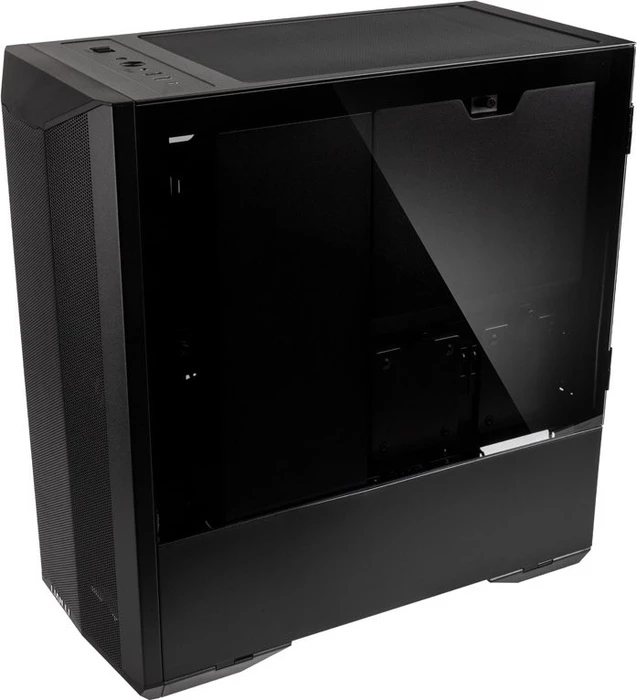
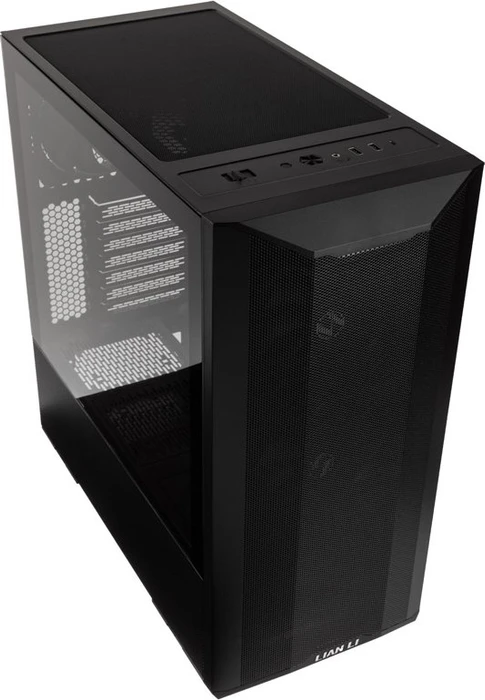
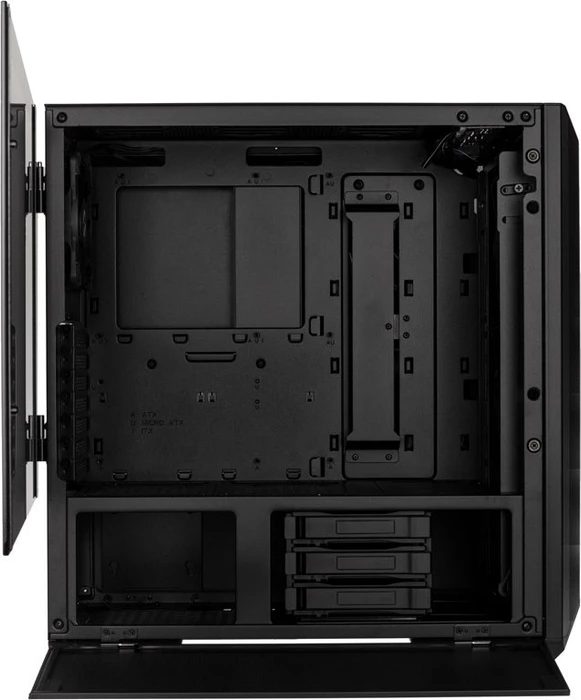
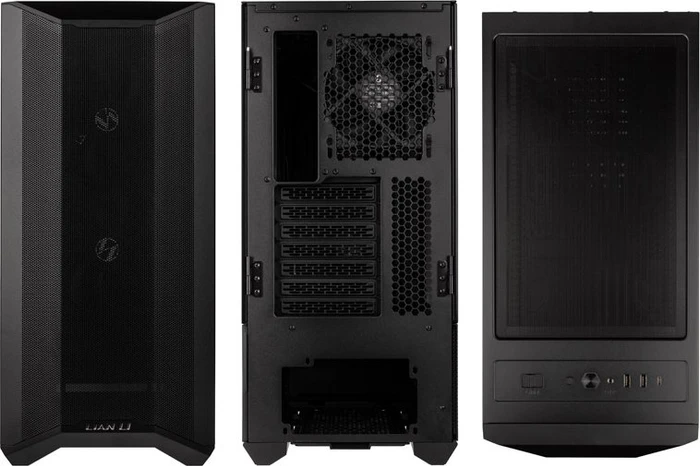
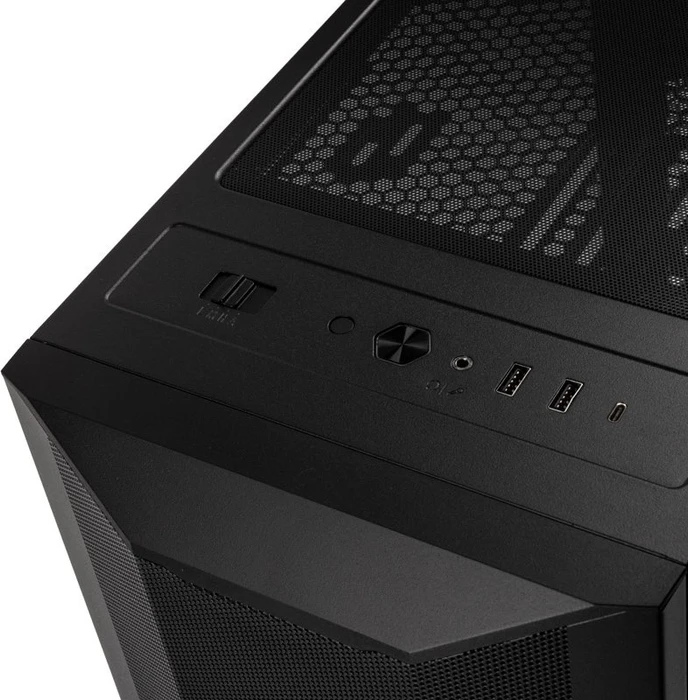
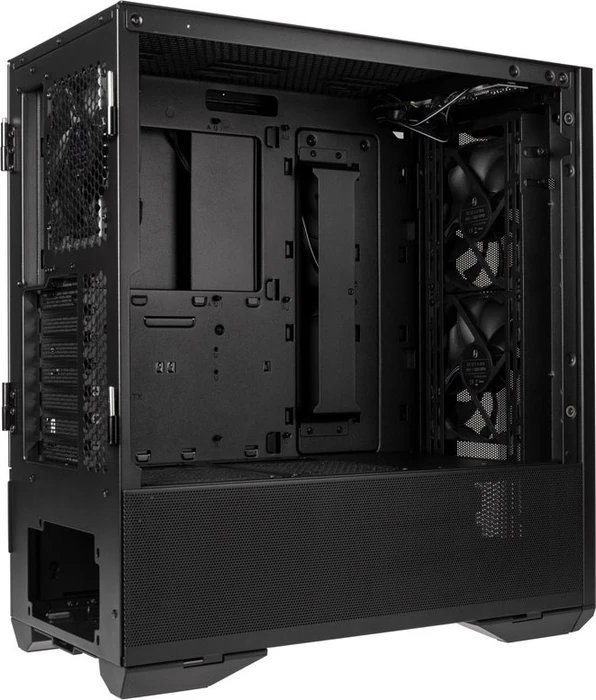
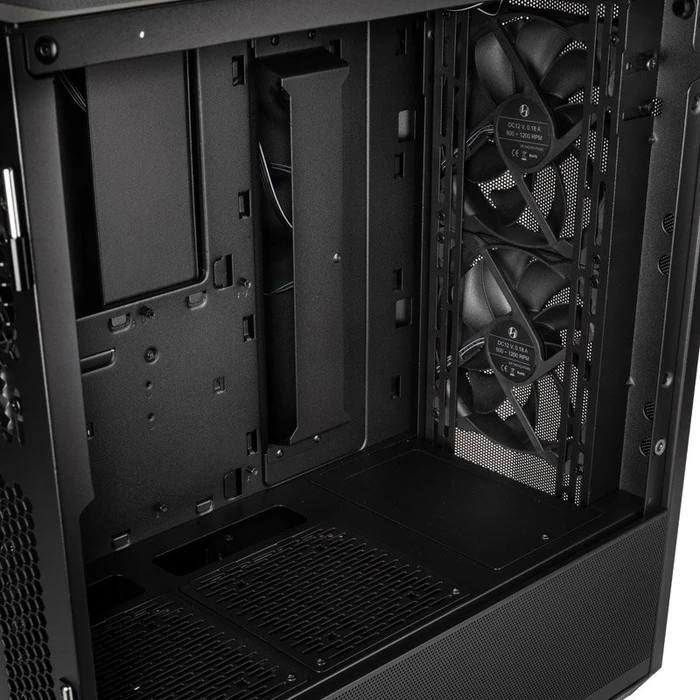
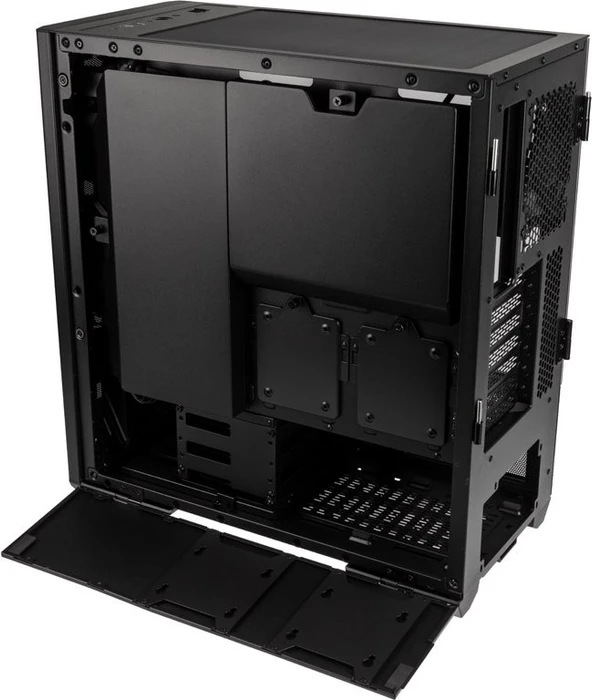
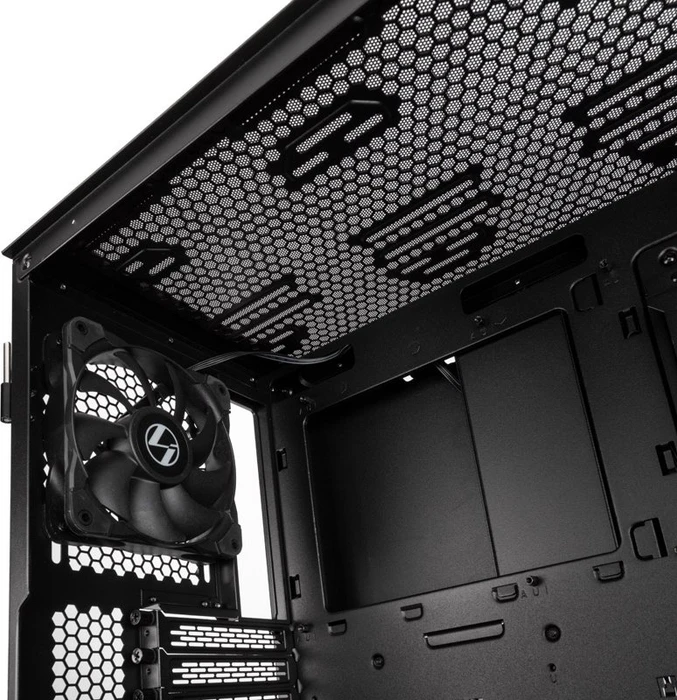
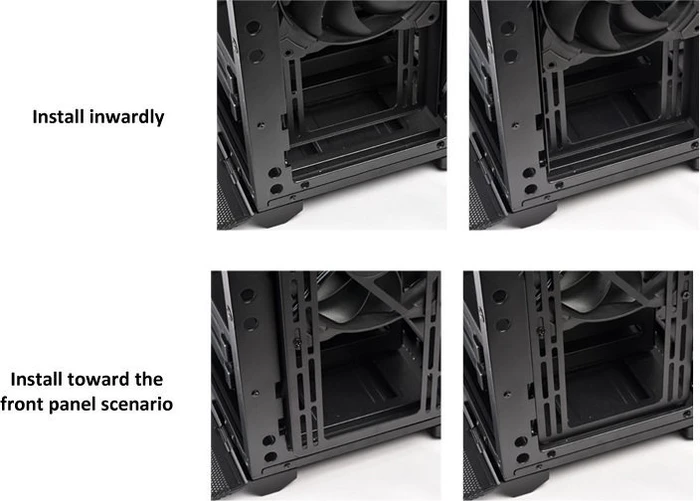
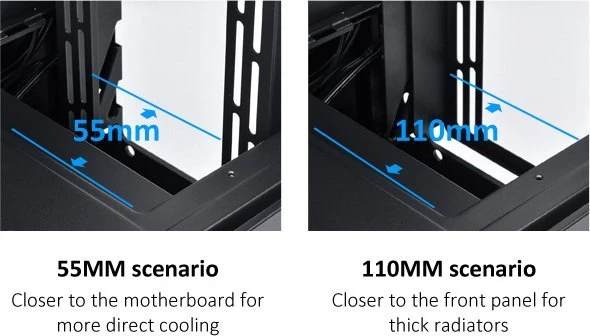
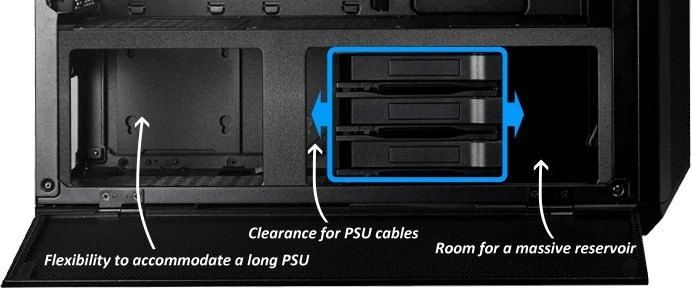
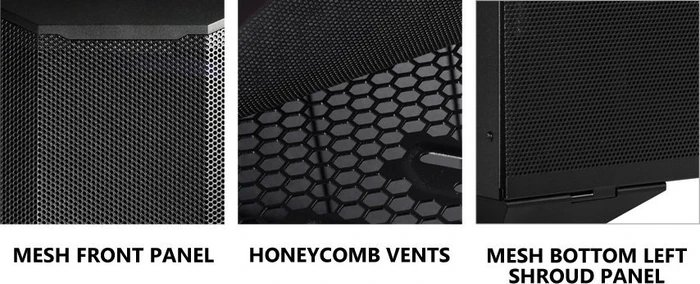


Lian Li LANCOOL II Mesh C Performance, schwarz, Glasfenster
LANCOOL II mesh C performance
- Gehäusetyp
- Midi-Tower
- Volumen
- 54.07l
- Abmessungen (BxHxT)
- 229x494x478mm (BxHxT)
- Mainboard
- bis ATX (279mm breit)
Unterstützte Mainboards: Mini-ITX (6.7"x6.7")/µATX (9.6"x9.6")/ATX (12"x9.6")/E-ATX Sonderformat (12"x11", Hinweis zu E-ATX beachten) - Netzteil
- ATX (max. 210mm tief)
Position: unten - CPU-Kühler
- max. 176mm Höhe
- Grafikkarten
- max. 384mm
- Anschlüsse
- 1x USB-C 3.1 via USB-Header Key-A (10Gb/s), 2x USB-A 3.0 (5Gb/s), 1x 3.5mm Klinke Line-In/Out
gesamt: 3x USB (2x USB-A, 1x USB-C), 1x Audio (1x Klinke) - PCI-Steckplätze
- 7
- Mainboard-Ausrichtung
- nach links; Anschlüsse hinten
- Front I/O Position
- Gehäuseseite: oben, Höhe: Front, Position: mittig
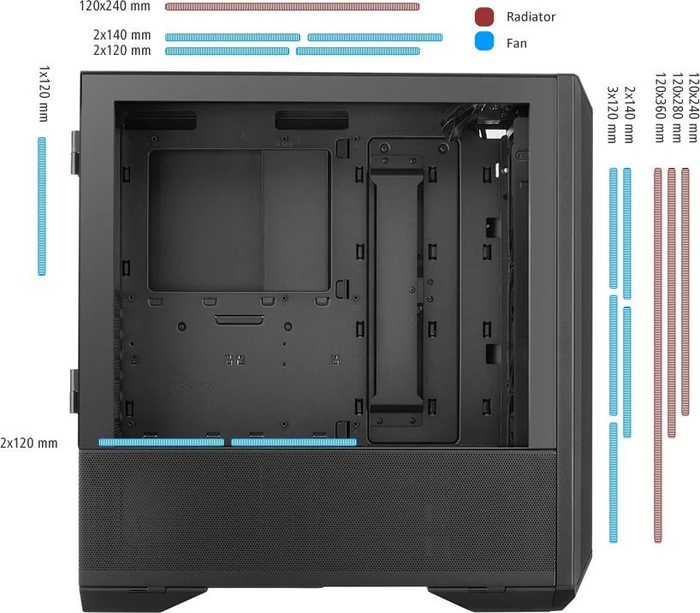
- Radiatorgrößen
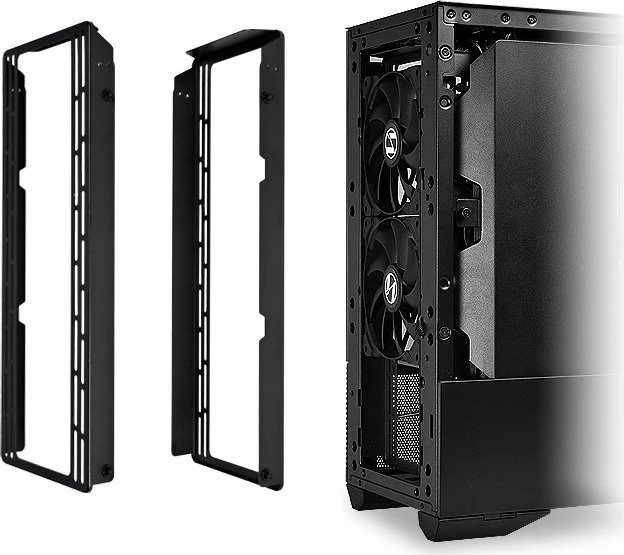
- 120/140/240/280/360mm vorne, 120/240mm oben




13-18 Werktage
Kreditkarte, PayPal
GRATISVERSAND.
Lieferung nur innerhalb Deutschlands.
Ratenzahlung möglich.
GRATISVERSAND.
Lieferung nur innerhalb Deutschlands.
Ratenzahlung möglich.
Lian Li Lancool II mesh C performance black
Lian Li Lian-Li Lancool II Mesh C Performance (ATX, E-ATX, mATX, Mini-ITX) (Lancool II mesh C performance black) Schwarz
Lian Li Lian-Li Lancool II Mesh C Performance (ATX, E-ATX, mATX, Mini-ITX) (Lancool II mesh C performance black) Schwarz
Preis vom:
(Preis kann jetzt höher sein!)
(Preis kann jetzt höher sein!)

- Gehäusetyp
- Midi-Tower
- Volumen
- 54.07l
- Abmessungen (BxHxT)
- 229x494x478mm (BxHxT)
- Mainboard
- bis ATX (279mm breit)
Unterstützte Mainboards: Mini-ITX (6.7"x6.7")/µATX (9.6"x9.6")/ATX (12"x9.6")/E-ATX Sonderformat (12"x11", Hinweis zu E-ATX beachten) - Netzteil
- ATX (max. 210mm tief)
Position: unten - CPU-Kühler
- max. 176mm Höhe
- Grafikkarten
- max. 384mm
- Anschlüsse
- 1x USB-C 3.1 via USB-Header Key-A (10Gb/s), 2x USB-A 3.0 (5Gb/s), 1x 3.5mm Klinke Line-In/Out
gesamt: 3x USB (2x USB-A, 1x USB-C), 1x Audio (1x Klinke) - PCI-Steckplätze
- 7
- Mainboard-Ausrichtung
- nach links; Anschlüsse hinten
- Front I/O Position
- Gehäuseseite: oben, Höhe: Front, Position: mittig
- Radiatorgrößen
- 120/140/240/280/360mm vorne, 120/240mm oben
- Lüfter (vorne)
- 2x 140mm, 600-1200rpm oder 3x 120mm (optional)
- Lüfter (hinten)
- 1x 120mm, 600-1500rpm
- Lüfter (links)
- N/A
- Lüfter (rechts)
- N/A
- Lüfter (oben)
- 2x 140mm (optional)
- Lüfter (unten)
- N/A
- Lüfter (sonstige)
- 2x 120mm (optional)
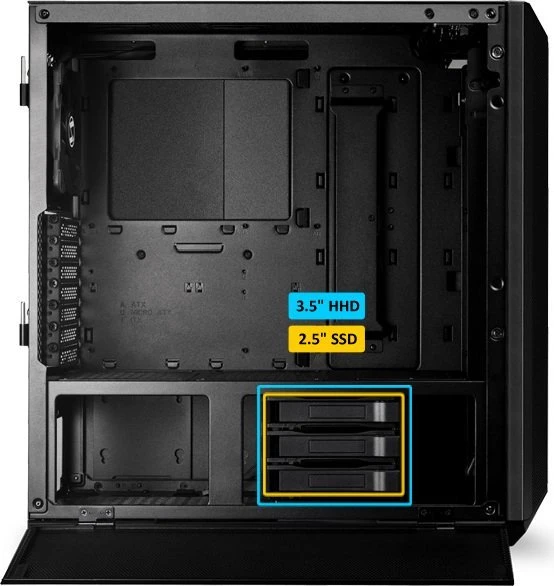
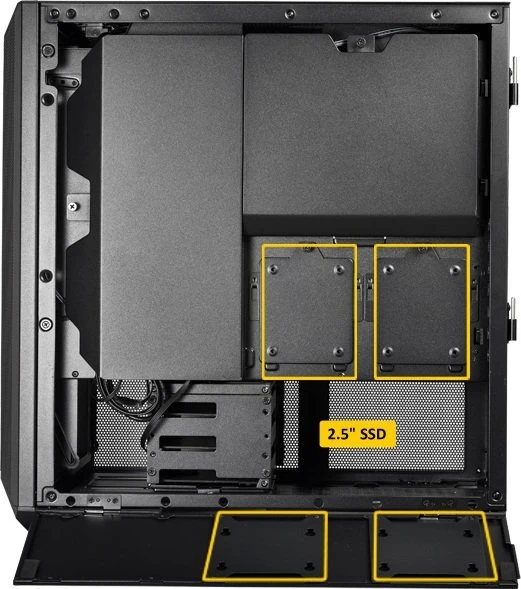
- Intern
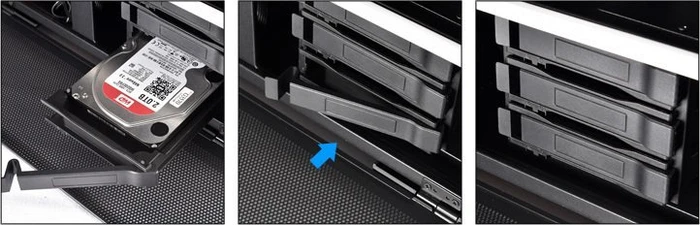
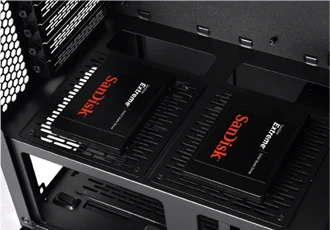
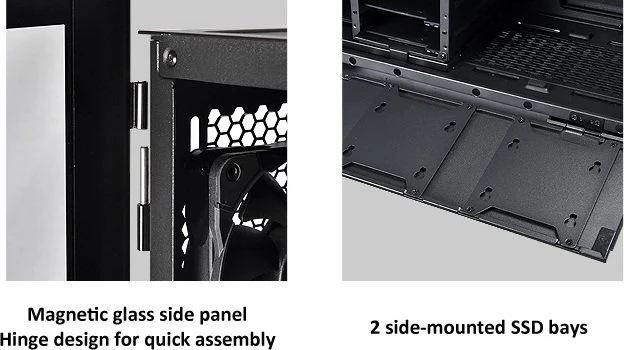
- 3x 2.5"/3.5", 6x 2.5"
gesamt: max. 9x 2.5", max. 3x 3.5" - Farbe
- schwarz, innen schwarz
- Beleuchtung
- ohne Beleuchtung
- Besonderheiten
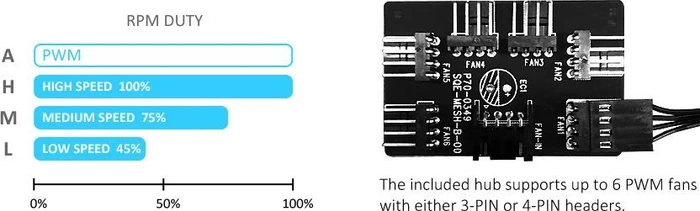
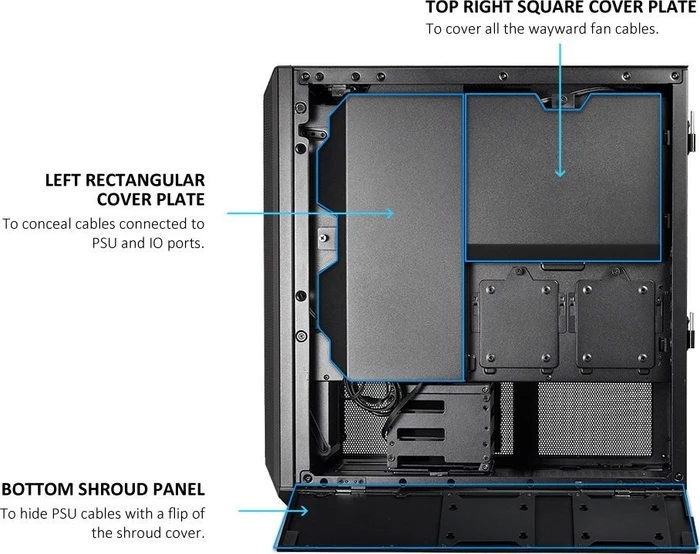
- integrierte Lüftersteuerung, Kabelmanagement, Staubfilter, Sichtfenster aus Glas
- Design/Layout
- Meshfront, beidseitige Fenster
- Gewicht
- 11.30kg
- Hinweis zu E-ATX
- Mainboard- und Gehäusehersteller bezeichnen unterschiedliche Dimensionen als E-ATX. Mainboards mit E-ATX/SSI EEB Abmessungen von 305x330mm bzw. 12"x13" werden nicht unterstützt.
- USB-Schreibweise
- Link
- Letztes Preisupdate
- Gelistet seit
- 03.02.2022, 15:31
-
 igorslab.de: Wer es gern bunt treibt: der ultimative RGB-Guide für alle, die nach einer Erleuchtung suchen
-
computerbase.de: RGB-LED-Plattformen im Test: Aura, RGB Fusion, Mystic Light und iCUE im Vergleich
-
 youtube.com: Lian Li: LIAN LI- See how LANCOOL II makes great cable management
-
youtube.com: Gamers Nexus: "E-ATX" Is A Lie: How Motherboard Makers Ruined Form Factors
Laden ...
3 Bewertungen für Lian Li LANCOOL II Mesh C Performance, schwarz, Glasfenster
Teilen Sie uns Ihre Meinung zu Lian Li LANCOOL II Mesh C Performance, schwarz, Glasfenster mit oder lesen Sie die Bewertungen unserer Mitglieder, Experten und anderer Websites zu dessen Varianten.Laden ...
-
basic-tutorials.de: Lian Li Lancool II Mesh RGB Performance im Test – Optischer Hingucker und Airflow vom FeinstenOriginalwertung: 90/100
Super Gehäuse mit gutem Airflow, hochwertiger Verarbeitung und ansprechendem Design.

-
computerbase.de: Lancool II Mesh im Test: Lian Lis luftigerer Midi-Tower für unter 100 Euro
Mit dem Lancool II Mesh legt Lian Li den stark ausgestatteten Midi-Tower für unter 100 Euro in einer weiteren Variante auf. Der Neuling bietet eine komplett perforierte Front, was der Kühlung zugute kommt. In der RGB-Variante wird es darüber hinaus auf Wunsch sehr bunt. Störend sind im Test kleine, aber sichtbare Mängel.

-
hartware.de: Lian Li Lancool II Mesh Gehäuse im Test
Mit dem Lian Li Lancool II Mesh testen wir eine überarbeitete Version des Lancool II, welches wir erst Anfang dieses Jahres getestet haben. Wie der Name schon verrät, besteht das größte Update in der Verwendung von Meshgitter als Front und in einem seitlichen Bereich.

-
youtube.com: Hardware Canucks: Lian Li Lancool II Mesh Case Review - Air Cooling PERFECTION
The Lian Li Lancool II Mesh case is the airflow focused follow up to the original Lancool 2. After benchmarking to testing temperatures with air cooling, this might be one of the best gaming cases of 2020 since it has a good price and plenty of water cooling options too. The only thing that's questionable is availability.
-
overclock3d.net: A little bit of everything for £75 (translate)
To summarise your thoughts on the Lian Li LANCOOL II MESH, we love it. The case offers users a lot of premium features that most cases at this price point lack, and all of this case's shortcomings are minor. Add in this case's excellent cable tidying features, and we have an enclosure with an affordable price, an outstanding feature set and a fantastic external aesthetic. For that, the Lian Li LANCOOL II MESH is more than deserving of OC3D's Value For Money award.
-
gamersnexus.net: Lian Li Lancool II Mesh Case Review: Deathmatch vs. Phanteks P500A (translate)
As far as we’re concerned, the Lian Li Lancool II Mesh is a straight upgrade from the original model. The original differentiates itself with ARGB lighting, but the Mesh has far better thermal performance, retains all other features of the original, and adds a fan controller as a bonus. The downside of changing so little from the original is that its flaws carry over as well. These are detailed fully in our original Lancool II review, but the largest flaw was the airflow, which has now been fixed. We would suggest taping off the bottom of the front panel, though--it will get dusty. Adding a 120mm fan on top of the PSU shroud is a cheap way to improve the case’s airflow even more, and it takes advantage of the mesh side panel Lian Li has added. We’ve seen quite a few $100-ish mesh fronted cases lately, notably the be quiet! 500DX, Phanteks P400A Digital, and Cooler Master TD500 Mesh. The P500A and P300A are similar in spirit, but the P400A is the most price-appropriate comparison. All of these cases include a full, usable complement of stock fans, as opposed to earlier pioneers of the current mesh-fronted trend like the Meshify C and NR600. In terms of performance and airflow, the Lancool II Mesh is a worthy addition to this group.
-
techpowerup.com: Lian Li Lancool II Mesh Performance Review (translate)
The Lian Li Lancool II Performance builds on the original nicely by adding noticeable improvements and features to an already excellent enclosure. While the Performance variant did not exist with the original Lancool II, this addition to the case family with the Mesh certainly makes sense. On top of that, Lian Li has not simply replaced the fans, but has included a functional fan controller along with a better set of fans.

- Serienübergreifende Testberichte
-
-
Alle Angaben ohne Gewähr. Die gelisteten Angebote sind keine verbindlichen Werbeaussagen der Anbieter.
* Preise in Euro inkl. MwSt. zzgl. Versandkosten. Bei der Auswahl von "inkl. Versand" beinhaltet der dargestellte Preis die Kosten für den Versand. Die nicht angeführten Kosten in andere Länder entnimm bitte der Website des Händlers. Bei Sortierung nach einer anderen als der Landeswährung des Händlers basiert die Währungsumrechnung auf einem von uns ermittelten Tageskurs, der womöglich nicht mit dem im Shop angegebenen Preis exakt übereinstimmt. Bitte bedenke außerdem, dass die angeführten Preise periodisch erzeugte Momentaufnahmen darstellen und technisch bedingt teilweise veraltet sein können. Insbesondere sind Preiserhöhungen zwischen dem Zeitpunkt der Preisübernahme durch uns und dem späteren Besuch dieser Website möglich. Händler haben keine Möglichkeit die Darstellung der Preise direkt zu beeinflussen und sofortige Änderungen auf unserer Seite zu veranlassen. Der maßgebliche Preis für den Verkauf durch den Händler ist der tatsächliche Preis des Produkts, der zum Zeitpunkt des Kaufs auf der Website des Händlers steht.
Letzte Aktualisierung:
Der heise Preisvergleich ist ein Angebot in Kooperation mit der Preisvergleich Internet Services AG (geizhals.de). Die Redaktion von heise online hat keinen Einfluss auf das Angebot. Anfragen bitten wir daher direkt an geizhals.de zu stellen.
Fragen, Kritik und Anregungen bitte per E-Mail oder im Forum. Händler können sich hier anmelden. Alle Angaben ohne Gewähr.
Weitere Kontaktmöglichkeiten zu geizhals.de findst du hier oder telefonisch unter: +43 1 581 16 09